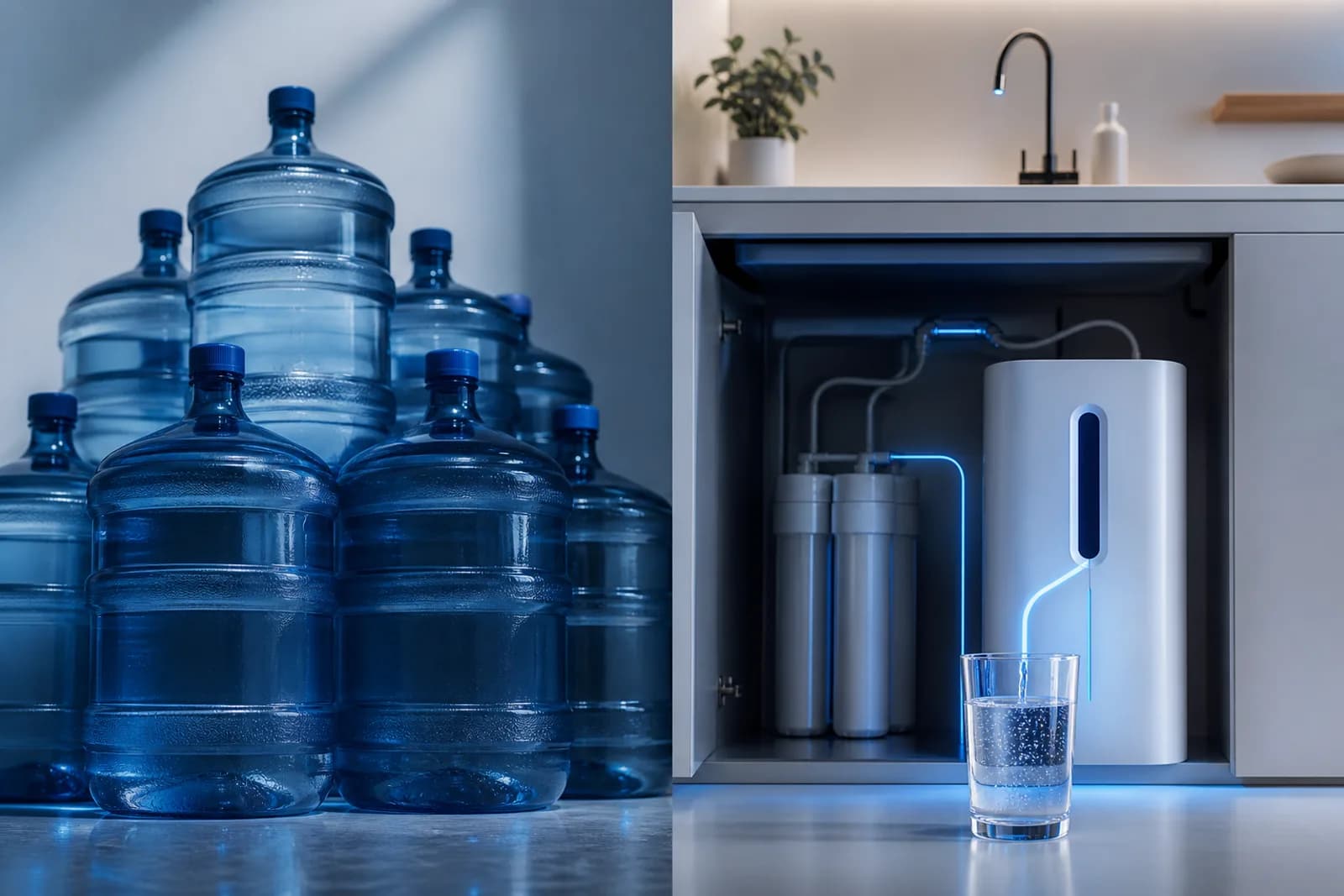
Hot Water to 98°C from a Countertop Purifier: The Temperature Guide for Tea, Cooking, and Formula
Different Indonesian drinks and foods need different water temperatures. This guide maps instant kopi, teh celup, baby formula, cup noodles, and oat porridge to their ideal °C — and shows why an adjustable 38–98°C purifier does more than a single-mode kettle.
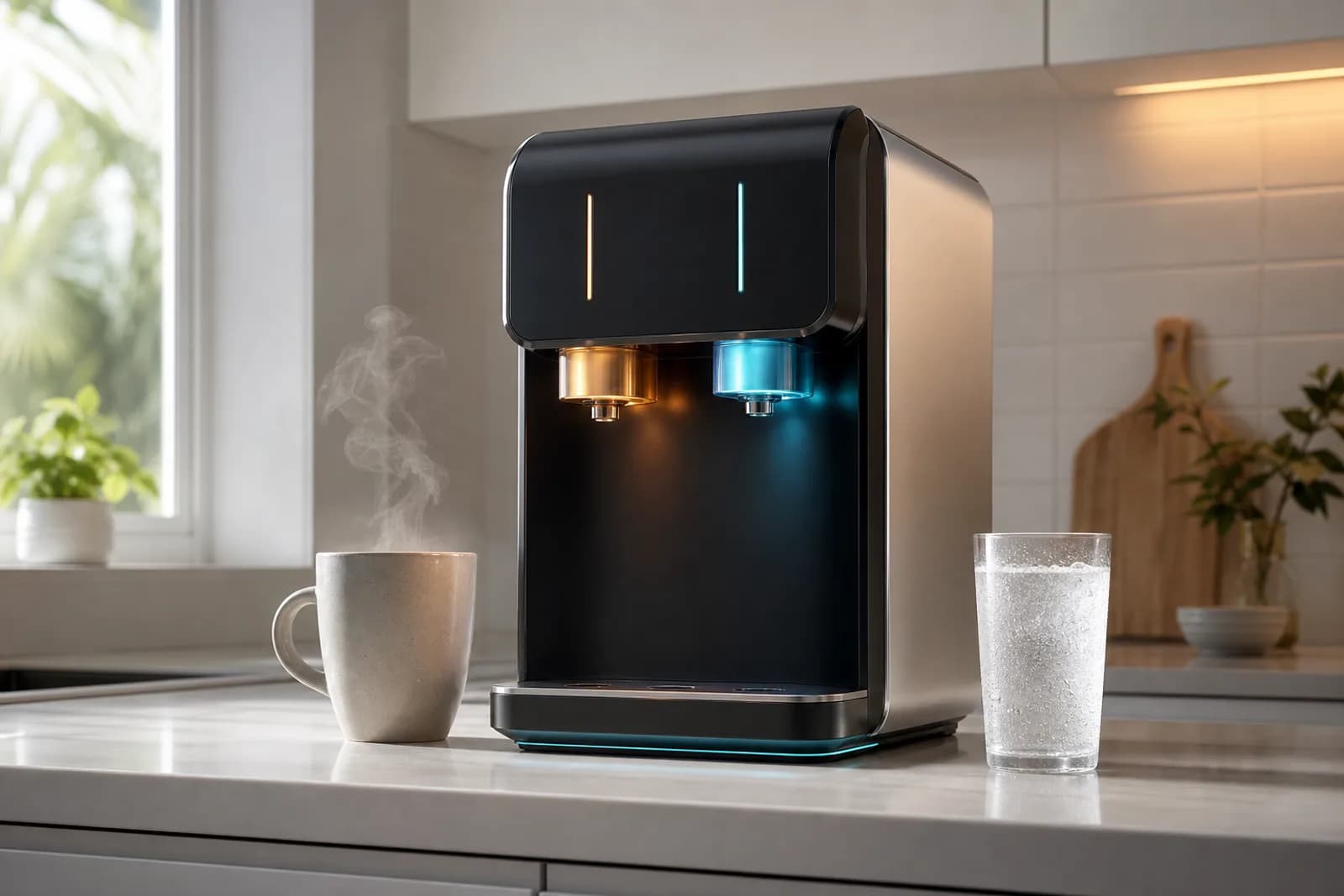
Different drinks need different temperatures. A kettle gives you one: boiling, or whatever temperature it reaches when you stop waiting. That gap between what a kettle delivers and what each drink actually needs is real, and for Indonesian households that make kopi sachet, teh celup, baby formula, and bubur in the same kitchen, it matters more than most people realise.
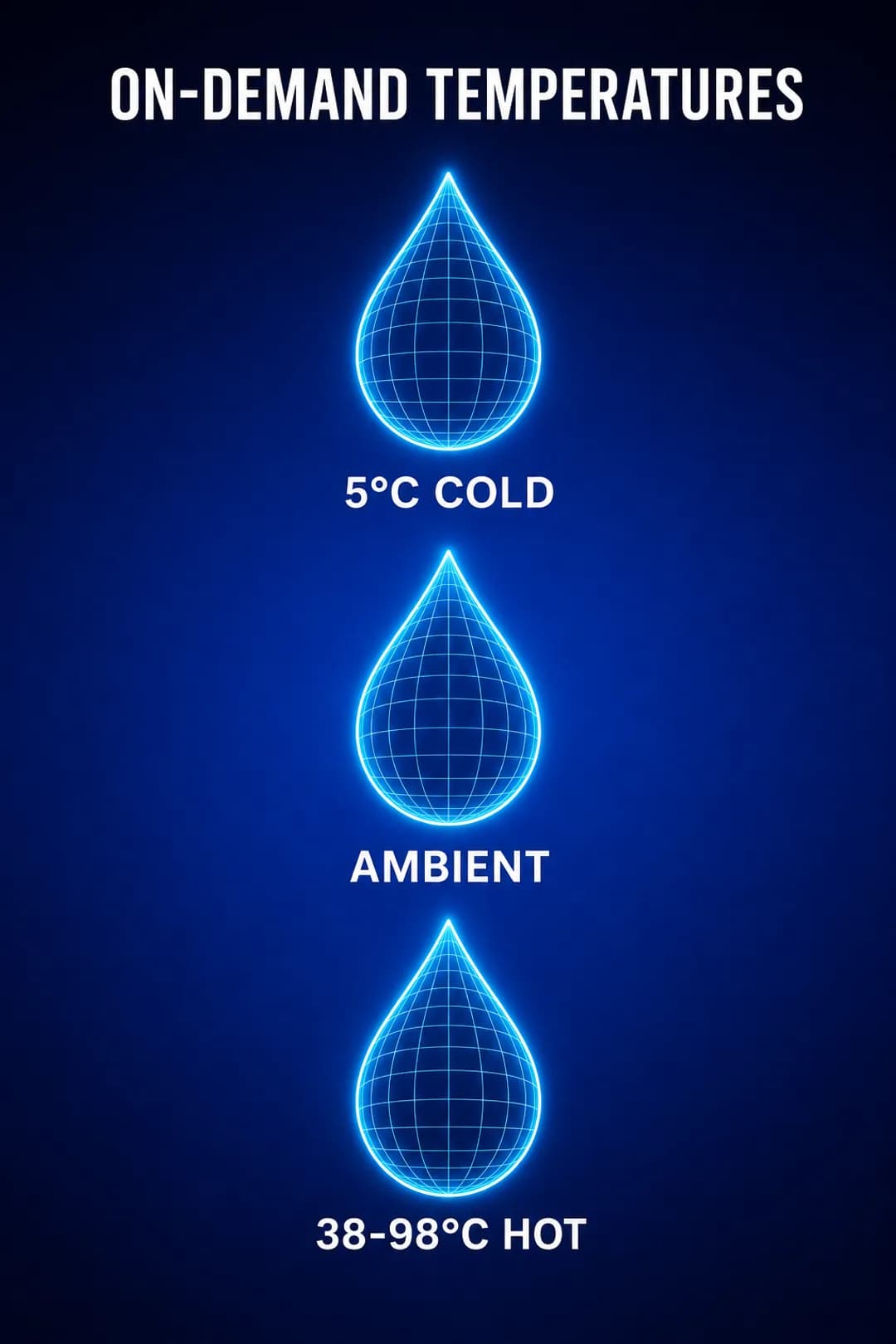
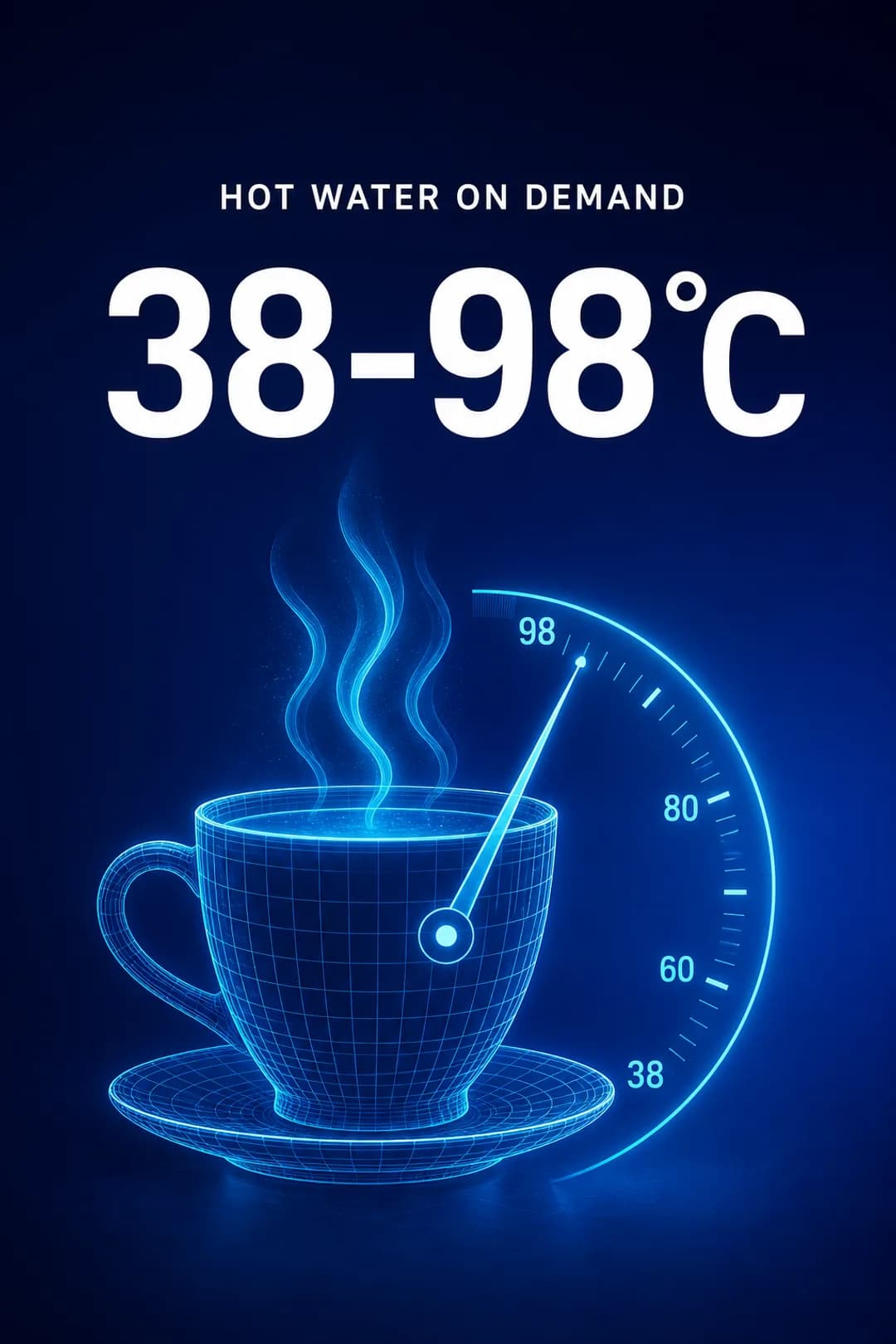
The TRULIVA CR-ZX5170 and CR-Z7170 both dispense hot purified water across the full range of 38°C to 98°C, adjustable by degree. This article maps each common household use to the temperature it actually requires — and explains what the right temperature does for flavour, safety, and nutrition.
Why temperature precision matters in an Indonesian kitchen
The short answer: extraction and safety are temperature-dependent, and the consequences of getting it wrong are not trivial.
Over-steep a teh celup at rolling-boil temperature for too long and the tannins become aggressive. Brew instant kopi at only 75°C and the granules dissolve unevenly, leaving the cup flat. Reconstitute baby formula powder above roughly 70°C and you risk denaturing the heat-sensitive nutrients it contains. Below that threshold, however, the WHO's guidance is that water should reach at least around 70°C before it contacts the powder — to address bacteria that can be present in the powder itself, not just in the water source.
A standard electric kettle in Indonesia operates at one temperature: boiling (roughly 98–100°C at sea level, slightly lower at higher elevation). You can let it cool, but that means waiting, guessing, and testing — not a realistic step for someone making formula at 2 a.m. or pouring six cups at a family gathering.
An adjustable hot-water dispenser removes the guesswork entirely.
The temperature map: Indonesian household uses
The ranges below reflect commonly reported practice and general guidance. They are not precision laboratory specifications — your specific brand or preference may shift them slightly.
Instant kopi sachet — 85–90°C
The granulated or powdered coffee in a typical Indonesian kopi sachet (Kapal Api, Torabika, Nescafé, and similar) is designed to dissolve at hot but not quite boiling water. At 85–90°C, the coffee dissolves fully and the flavour compounds extract cleanly. At full boil, some of the volatile aromatics that give sachets their characteristic sharp sweetness evaporate before the cup reaches your hand. The difference is small but noticeable, particularly with the better-quality single-serve sachets.
Set the CR-ZX5170 or CR-Z7170 to 88°C. Pour directly, no waiting.
Teh celup — 90–95°C
Indonesian teh celup — Sosro, Twinings black, or any standard black tea bag — needs near-boiling water to extract properly. The polyphenols and tannins in black tea leaves require high heat. At 90–95°C you get full extraction without the cup-bitterness that comes from pressing the bag against the side at rolling boil. Green tea and herbal blends prefer lower temperatures (70–80°C), but the standard black-tea bag used in most Indonesian households works best in this range.
Baby formula — approximately 70°C (use before cooling to feeding temperature)
This is the most safety-critical temperature on the list. The WHO guidance, commonly cited by paediatricians and formula manufacturers, is that water used to reconstitute powdered infant formula should be at no lower than approximately 70°C at the moment it contacts the powder. The reason is that some batches of powdered formula can contain Cronobacter bacteria, which 70°C water effectively addresses.
Equally important: water should not be much above 70°C when it hits the powder, because excess heat degrades heat-sensitive nutrients in the formula — some B-group vitamins and certain immunoglobulins that manufacturers have specifically added. The practical instruction is to use water at around 70°C, mix the formula, then cool the bottle to feeding temperature (typically 37°C, close to body temperature) before offering it.
Set the purifier to 70°C. No cooling-down wait required before reconstitution. Then cool the bottle to feeding temperature as normal.
Note: Always follow the preparation instructions on the formula packaging and, where in doubt, consult a healthcare provider. The temperature guidance here reflects commonly reported WHO and manufacturer recommendations.

Mi instan / cup noodles — 95–98°C (near-boiling)
Mi goreng, Indomie kuah, Pop Mie — cup noodles need the hottest water you have. The noodle block needs near-boiling water to soften fully in the stated three-minute steep time. At 85°C the noodles stay slightly firm in the centre; at 98°C they reach the right texture. Set the dispenser to maximum, pour, and cover for three minutes.
Both the CR-ZX5170 and CR-Z7170 reach 98°C — two degrees below a standard sea-level boil, which is sufficient. At typical Jakarta elevation, tap water boils at approximately 98°C anyway, so the purifier's maximum is functionally equivalent.
Bubur oat / oat porridge — 80°C
Rolled oats and quick oats hydrate and soften well at 80°C. Full-boiling water is unnecessary and tends to cook the oats unevenly if you pour directly rather than simmering. At 80°C, hot enough to hydrate quickly and cool faster to a comfortable eating temperature. A setting of 78–82°C is the practical range.
Warm water for drinking — 38–50°C
Some Indonesian households, particularly older family members and those following traditional health practices, prefer drinking water warm rather than cold. The lower end of the adjustable range (38–50°C) covers this comfortably — warm enough to feel distinct from room temperature, cool enough to drink without waiting.
The CR-ZX5170 and CR-Z7170: both units, compared on temperature
Both countertop purifiers dispense hot water across the same 38–98°C range. The differences lie on the cold side and in tank design.
The CR-ZX5170 uses compressor cooling to reach 5°C — the same refrigeration principle as a household fridge. It also has an integrated ice maker that produces cubes within seven minutes. There is no internal holding tank for hot water: water is heated on demand.

The CR-Z7170 uses electric (thermoelectric) cooling and reaches 10°C — cooler than room temperature but not as cold as compressor cooling. It has no ice function, but it carries a 6.8-litre internal tank. For a family or small office that pours glass after glass in quick succession, the tank means no waiting between cups.
Both units need no plumbing: fill the reservoir from the top, plug them in, and they run. For renters, kost residents, and anyone who cannot or does not want to run an under-sink supply line, this matters. See No Plumbing, No Installer: How Countertop RO Works for Indonesian Renters and Kost for the full mechanical explanation.
Side-by-side
| CR-ZX5170 | CR-Z7170 | |
|---|---|---|
| Hot range | 38–98°C | 38–98°C |
| Cold | 5°C (compressor) | 10°C (electric) |
| Ice | Within 7 minutes | — |
| Internal tank | — | 6.8 L |
| Filtration | 6-layer RO (104 substances) | 6-layer RO (104 substances) |
| Plumbing | Not required | Not required |
| Dimensions | 450 × 250 × 426 mm | 450 × 250 × 426 mm |
Both filter to the same standard: six-layer reverse osmosis removing 99.9% of 104 contaminants, including bacteria, heavy metals, and dissolved solids common in Jakarta's PDAM supply and in groundwater sources. The water going into your kopi or your child's formula is purified first, then heated — not heated from raw tap water.
Why a kettle cannot do this
A kettle has one setting: heat until boiling, then stop. You can let it cool, but accurately hitting 70°C, 85°C, or 90°C by waiting and guessing is impractical in daily use. Workarounds — digital thermometers, temperature-controlled electric kettles — exist, but a temperature-controlled electric kettle does not also purify water.
The purifier combines both functions. The water is filtered through six RO layers, then dispensed at exactly the temperature you set. For a household that moves across kopi, teh, formula, and cup noodles in the same morning, that means one appliance handling the full range without any manual temperature management.
There is a safety dimension too. Both units have a child-lock mechanism on the hot-water dispense, which requires a deliberate two-step action before near-boiling water flows. A kettle sitting on a counter does not.
Choosing between the two units
If you need ice — for cold drinks, for guests, for Indonesia's heat — the CR-ZX5170 is the unit to choose. Compressor cooling to 5°C produces genuinely cold water, and ice within seven minutes means you are not buying bags from the minimarket.
If you do not need ice and you prefer a quieter machine, or if you regularly pour for several people back-to-back and want the 6.8-litre reserve to handle it, the CR-Z7170 is the better fit. The electric cooling is noticeably quieter than a compressor, and 10°C water is still a clear improvement over room-temperature filtered water on a hot Jakarta day.
For more on how these two units compare across all their differences — tank versus ice, compressor versus electric — see Hot and Cold Water Purifiers: A Buyer's Guide.
For households focused specifically on the instant-hot use case — particularly kopi and formula preparation — the instant hot water article covers that in detail, including what "hot in three seconds" means in a morning routine.
Both units sit on the counter and need no installer. The temperature range is the same. The choice between them comes down to whether ice matters, and how many people are pouring at once.
Not sure which system fits your water?
Aright Marketing Indonesia can assess your supply and recommend the right Truliva system for your home or business in Indonesia.