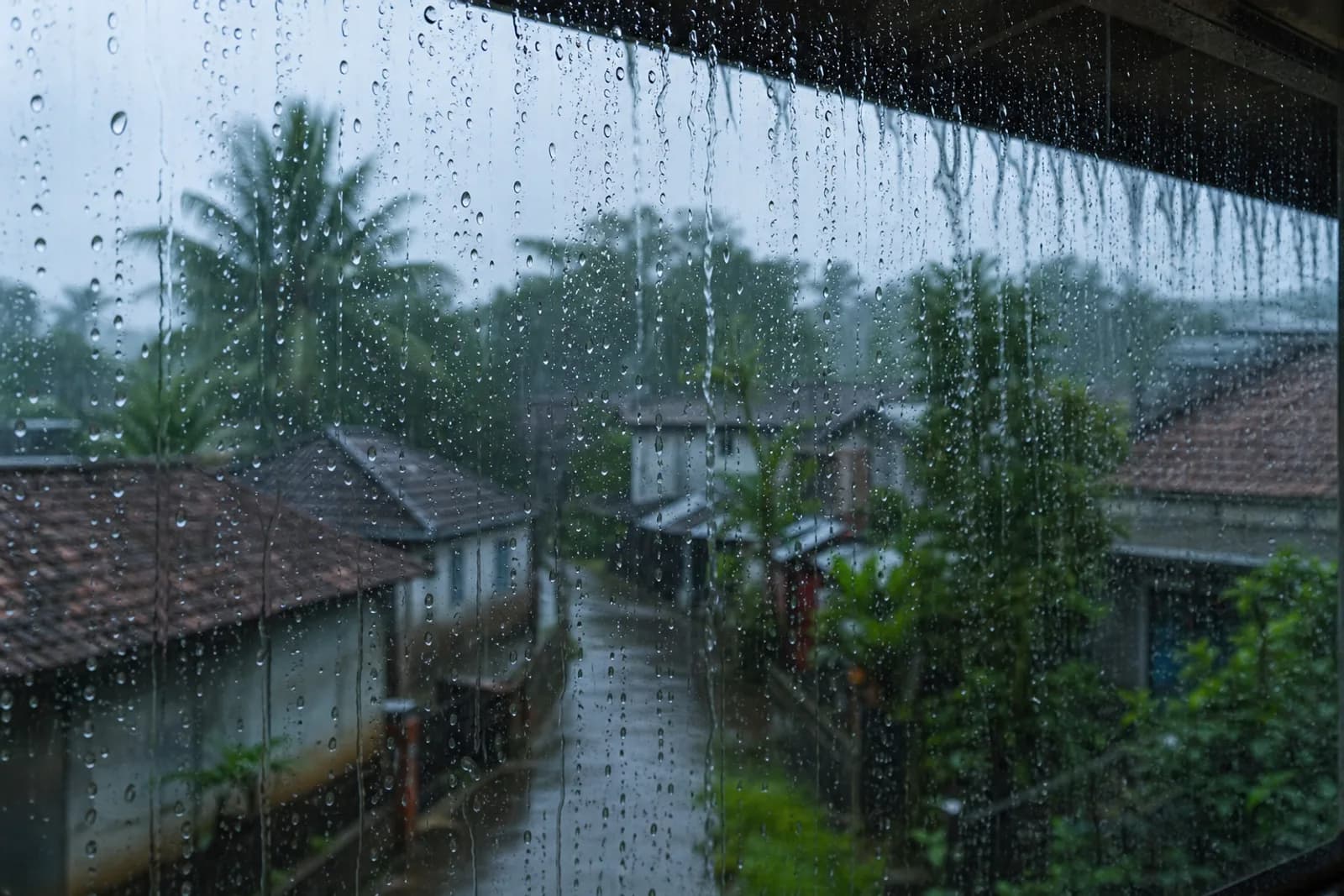
What's Actually in Indonesian Tap Water
Piped supply, groundwater, and refill galon water each carry different risks. Here is what households in Jakarta, Surabaya, and beyond should understand before they drink.
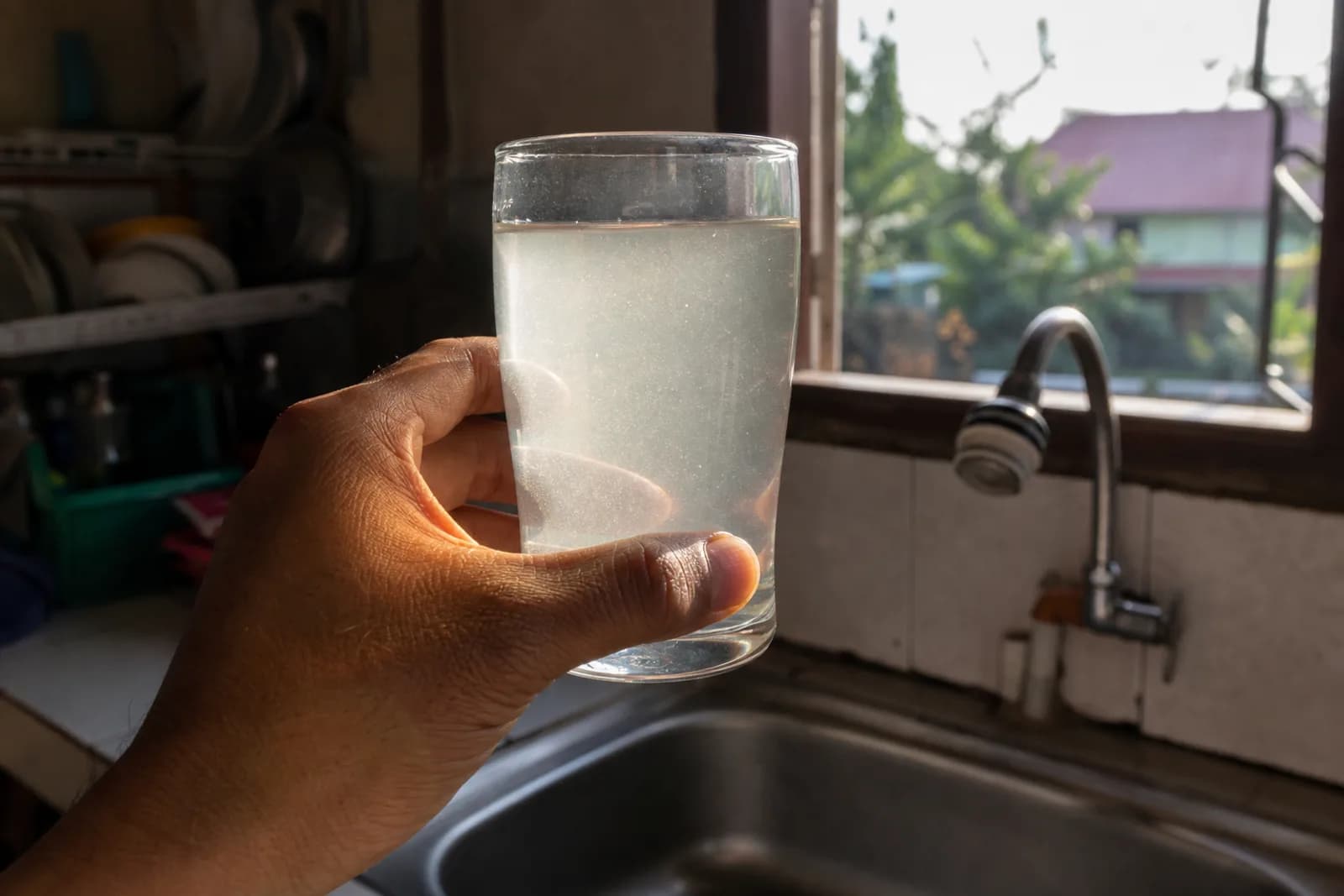
Most households in Indonesia do not drink straight from the tap, and that instinct is sound. Whether your water arrives through a municipal pipe, a backyard borehole, or a 19-litre refill gallon, it has usually passed through conditions that change what is in it by the time it reaches your glass. Understanding those conditions is the first step in choosing the right treatment.
Three very different sources
Indonesian homes typically rely on one of three supplies, and each fails in its own way.
Piped supply (PDAM). Municipal water leaves the treatment plant meeting national standards, but the journey to your home is the weak point. Ageing distribution networks lose a large share of their water to leaks, and every leak is also a point where contaminants can enter under low pressure. Intermittent supply makes this worse: when pipes empty and refill, they draw in whatever surrounds them. Water that was safe at the plant is not always safe at the tap.
Groundwater. In cities such as Jakarta, decades of pumping have lowered the water table and contributed to land subsidence. Shallow wells in dense urban areas sit close to septic systems, and bacterial contamination — including E. coli — is commonly reported. Coastal districts face saltwater intrusion, which raises the dissolved-solids load and gives water a brackish taste. Groundwater can also carry naturally occurring iron and manganese, which stain fixtures and laundry.
Refill gallon water (air galon). Refill depots are convenient and widely used, but quality varies with the operator. Containers that are not properly sanitised, filters that are past their service life, and storage in warm conditions all allow bacteria to return. The water you collect is only as clean as the depot's last maintenance.
The contaminants that matter most
Not every impurity is a health risk, and treating water means matching the barrier to the problem. The categories worth knowing are:
- Microbiological — bacteria, viruses, and protozoa. These cause the most immediate illness and are the main concern with groundwater and poorly maintained refill water.
- Sediment and turbidity — sand, rust, and silt, especially after supply interruptions or heavy rain. Visible cloudiness is a sign, but fine particles are not.
- Chlorine and by-products — added at treatment plants for disinfection. Useful in the pipe, but it affects taste and odour at the tap.
- Heavy metals — lead from old plumbing and solder, plus iron and manganese from the ground.
- Dissolved solids (TDS) — the combined mineral and salt content, elevated by saltwater intrusion in coastal areas.
What this means for treatment
There is no single filter that is correct for every household, because the right answer depends on the source.
If your main concern is bacteria and you want to keep natural minerals — common for reasonably clean piped supply — ultrafiltration (UF) removes microorganisms and particles while letting dissolved minerals pass. If you are on groundwater with high dissolved solids, a brackish taste, or you simply want the most thorough barrier, reverse osmosis (RO) removes dissolved salts, heavy metals, and microorganisms alike. Households with visibly dirty water after outages benefit from a pre-filter that protects everything downstream.
The practical approach is to start with your source. A family on coastal groundwater has a different problem from an apartment on metered piped supply, and the equipment should reflect that.
A note on testing
Before investing, it is worth knowing your starting point. A simple TDS meter tells you the dissolved-solids load in seconds, and many water specialists offer a basic water test. Even a rough reading tells you whether you are dealing with mineral content, and a quick look — colour, smell, and how fixtures stain — fills in the rest. Treatment chosen from evidence will always outperform treatment chosen from a brochure.
Clean water at the tap is achievable in every Indonesian home. The starting point is simply knowing what you are treating.
Not sure which system fits your water?
Aright Marketing Indonesia can assess your supply and recommend the right Truliva system for your home or business in Indonesia.