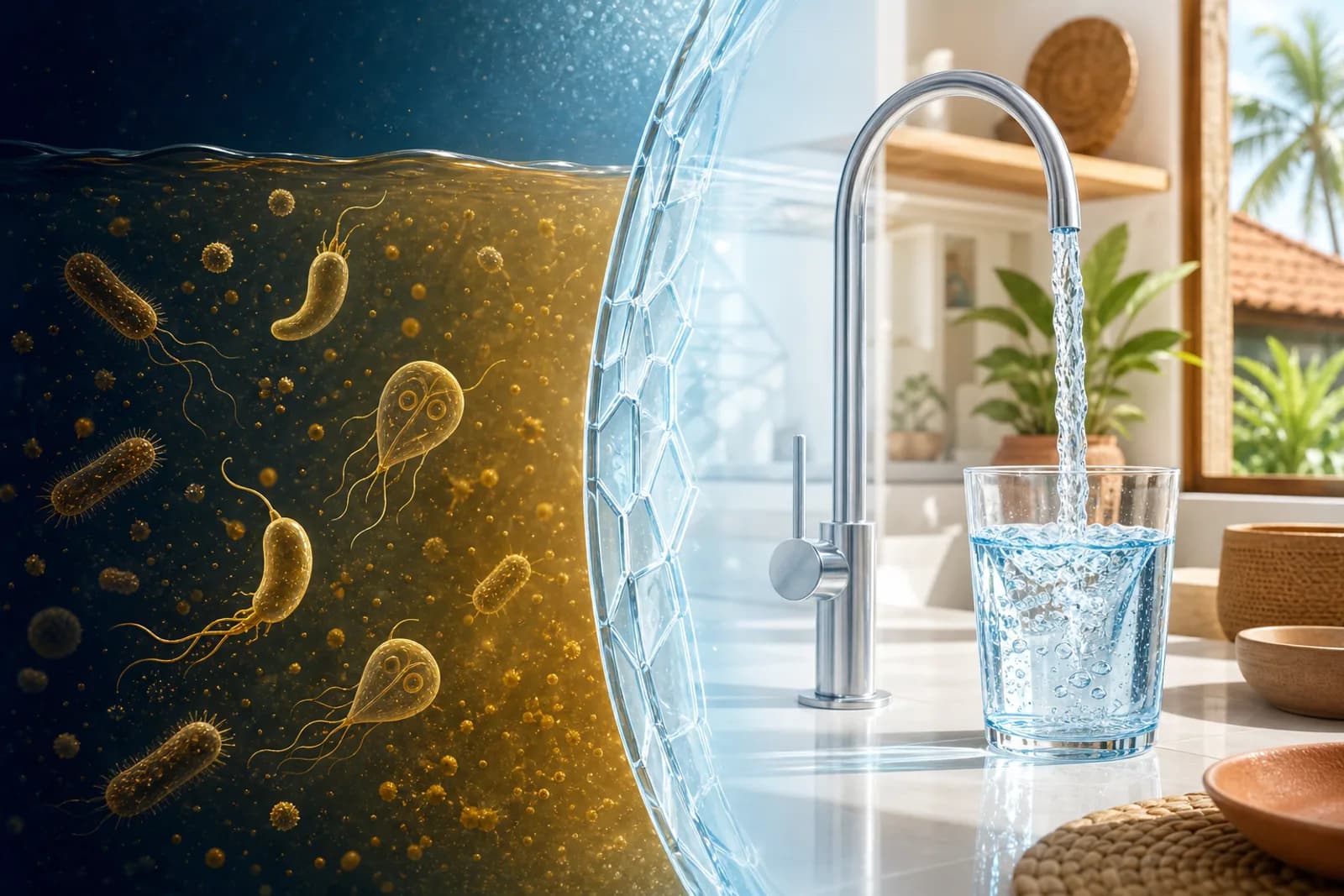
Purified Ice at Home in Jakarta: Why Tap Ice Is a Real Risk
Ice made from Jakarta tap water or warung bags skips every filtration step. Here is what that means for your household's health, and how a countertop machine makes filtered ice in seven minutes.
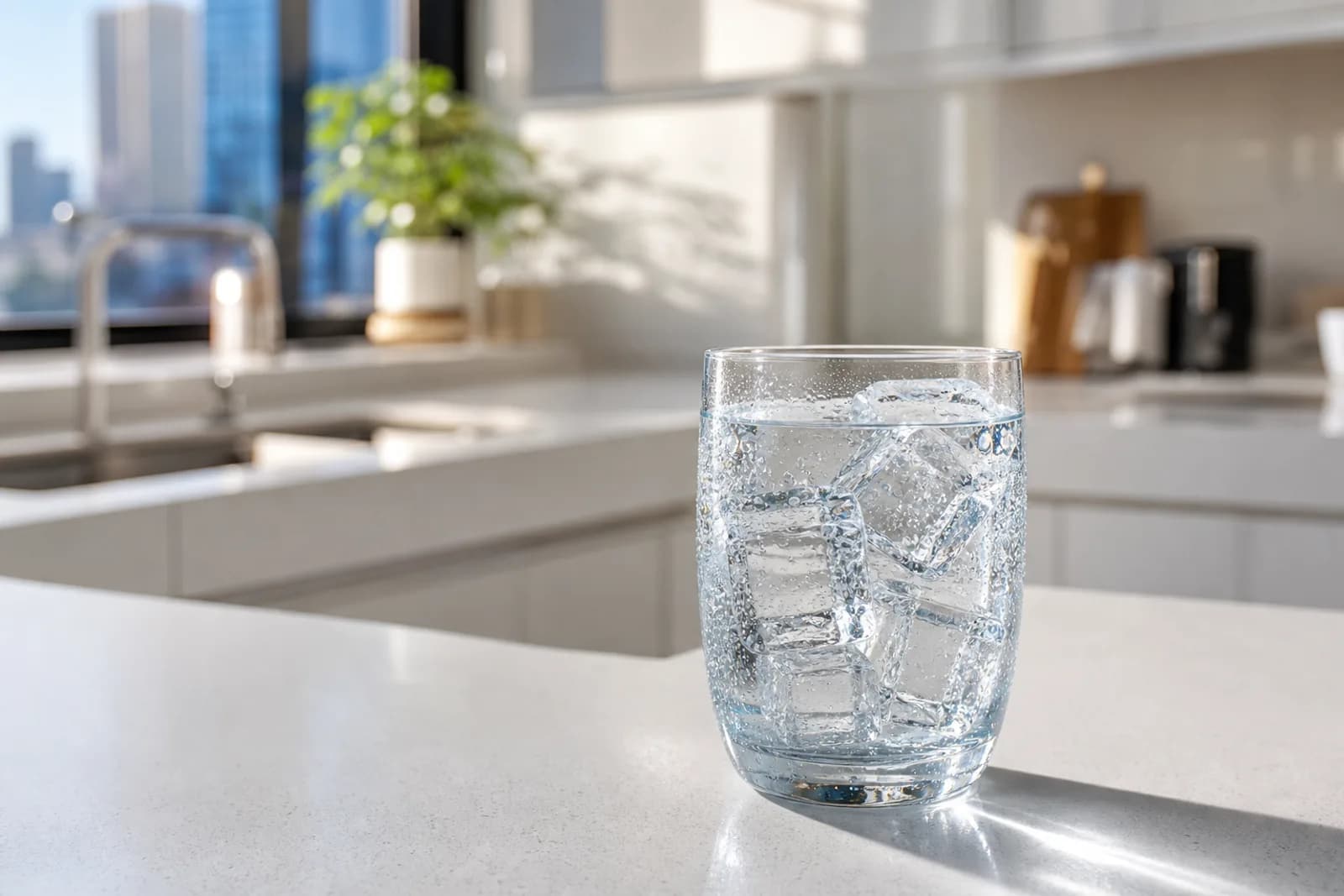
Ice is the one part of the drink that nobody thinks to filter. The water in the glass has already been boiled, or poured from a galon jug, or dispensed from a purifier. The ice cubes come from the freezer tray — filled from the kitchen tap, frozen overnight, added to the drink without another thought. The problem is what those ice cubes carry.
Where ice actually comes from in most Jakarta homes
Two routes dominate. The first is the home freezer tray: filled from the tap (either PDAM or a shallow well), left to freeze. The second is bagged ice from a warung or minimarket — the plastic bags of crushed or cube ice that appear in cold drinks, es campur, and fresh-squeezed juice orders across the city. Both routes share the same gap: neither one starts with filtered water.
The tap water picture in Jakarta is documented. PDAM supply leaves the treatment plant meeting Indonesia's national standards, but the distribution network — old pipes, low-pressure zones at night, building storage tanks that are cleaned on no reliable schedule — reintroduces contamination between the plant and the kitchen. Groundwater from shallow bore wells, which a significant share of Jakarta households use alongside or instead of PDAM supply, often contains faecal coliforms at concentrations that reflect the short distances between septic tanks and well casings in dense residential areas. The full picture of Jakarta's water supply is covered in detail in the is Jakarta tap water safe to drink article.
Bagged warung ice follows a separate production chain with variable quality controls. Some suppliers use filtered water and proper handling; others do not. Once the ice is in a bag and on a shelf, there is no way to tell which category it is.
Why freezing does not make contaminated water safe
A common assumption is that the freezer kills pathogens the same way heat does. It does not.
Freezing halts microbial activity — bacteria stop replicating at temperatures below roughly 4°C — but it does not destroy bacterial cells. E. coli, Salmonella typhi, and most other enteric pathogens survive freezing and resume activity as the ice melts. What was in the water before freezing is still in the ice cube after.
The dynamics in a glass make this worse rather than better. As the ice cube melts, the water from the cube mixes with the drink. If the ice was made from water carrying a bacterial load, that load is now distributed through the entire glass at the ambient temperatures of a tropical room — conditions where bacteria resume multiplying. This is the mechanism behind cases of gastroenteritis that occur in people who drank only commercially prepared beverages, avoided tap water, and later trace the exposure back to the ice.
Enteric illness following ice consumption is a recognised pattern in tropical settings. The organisms that cause it — pathogenic E. coli strains, Salmonella, Campylobacter, and others — are transmitted through the faecal–oral route, and ice made from contaminated water is an efficient vehicle because the cold temperature masks the problem visually and does not neutralise it biologically.
For a broader picture of how these pathogens move through water supplies and which ones filtration addresses, see the waterborne illness in Indonesia article.

The specific risk with Jakarta's water supply
Jakarta's water situation creates a particular set of conditions for this problem. The city has high ambient temperatures year-round, which accelerates bacterial growth in any water that sits at room temperature before freezing, and in the meltwater in the glass. The distribution network means PDAM water quality at the tap fluctuates — a sample taken in the morning may differ from one taken after pressure drops overnight. Shallow groundwater in north and central Jakarta regularly shows biological contamination that correlates with the density of septic systems in the catchment.
Households that take care with their drinking water — boiling, using a galon dispenser, or filtering at the tap — often do not extend that care to ice. The ice tray is filled from the same tap that feeds the bath, the washing machine, and the kitchen sink. Nobody boils water and then pours it into a freezer tray; it defeats the convenience of the ice.
The result is that ice made at home in Jakarta frequently starts with unfiltered water, regardless of how carefully the household otherwise manages its drinking supply.
What commercial ice production does (and does not) guarantee
Factory-produced bagged ice in Indonesia is subject to national standards (Indonesia's national standard for food-grade ice — SNI — sets microbiological limits for commercially produced ice). Reputable producers use treated source water and have quality-control procedures. The issue is the distribution chain: ice handled at room temperature while being transferred between suppliers, stored in unchilled environments during transport, and sitting in a warung freezer that may not maintain consistent temperatures presents opportunities for contamination after production.
Smaller, informal ice suppliers — common in neighbourhood warung settings — operate with less oversight. Their production methods vary. The safest assumption, absent specific knowledge of the supplier's practices, is that bagged warung ice carries an uncertain microbiological status.
Purified ice: what a filtered countertop machine actually does
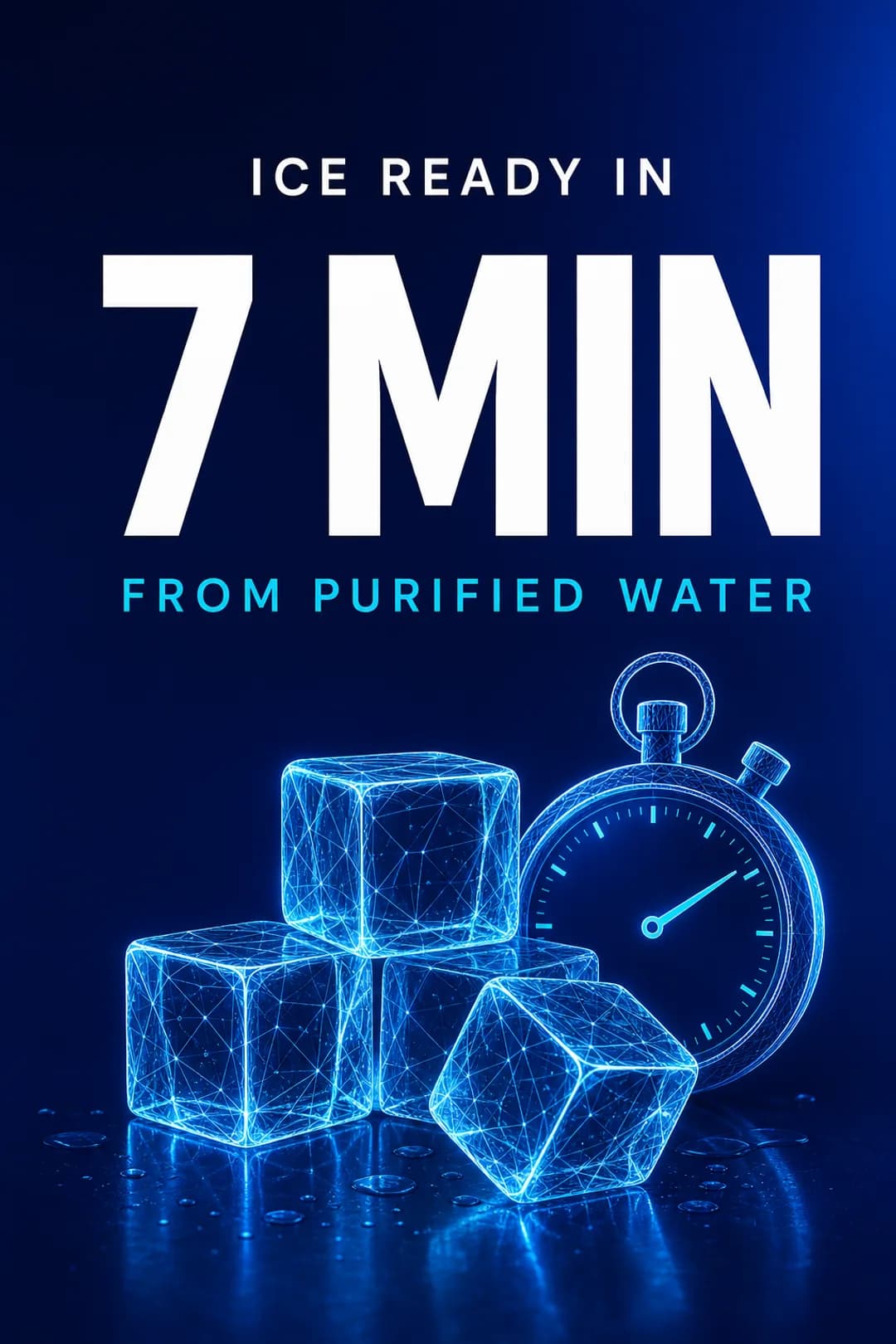
The TRULIVA CR-ZX5170 countertop purifier runs tap water through 6-layer reverse-osmosis filtration — removing 104 contaminants including bacteria, viruses, heavy metals, and dissolved solids — before the water reaches the ice-making function. The machine produces ice within 7 minutes from that filtered water, using compressor cooling that chills to 5°C.
The RO membrane in a 6-layer system handles pathogen removal at a different scale from the contamination problem in Jakarta's tap water. Where UF filtration (which retains beneficial minerals) is effective against bacteria, RO additionally removes viruses and dissolved contaminants including heavy metals and chlorine by-products. For households drawing from borehole sources or in areas of North Jakarta where groundwater TDS can reach well into the hundreds of parts per million, the RO stage is doing meaningful work on the dissolved-solids load as well as the biological one.
The machine needs no plumbing connection. Fill the top tank from any tap, plug it in, and it processes the water through the filtration stages before dispensing or making ice. This matters for the renter or apartment household where running a line to the existing water supply is not practical — the machine sits on the counter and operates independently.
Temperature range and daily-use context
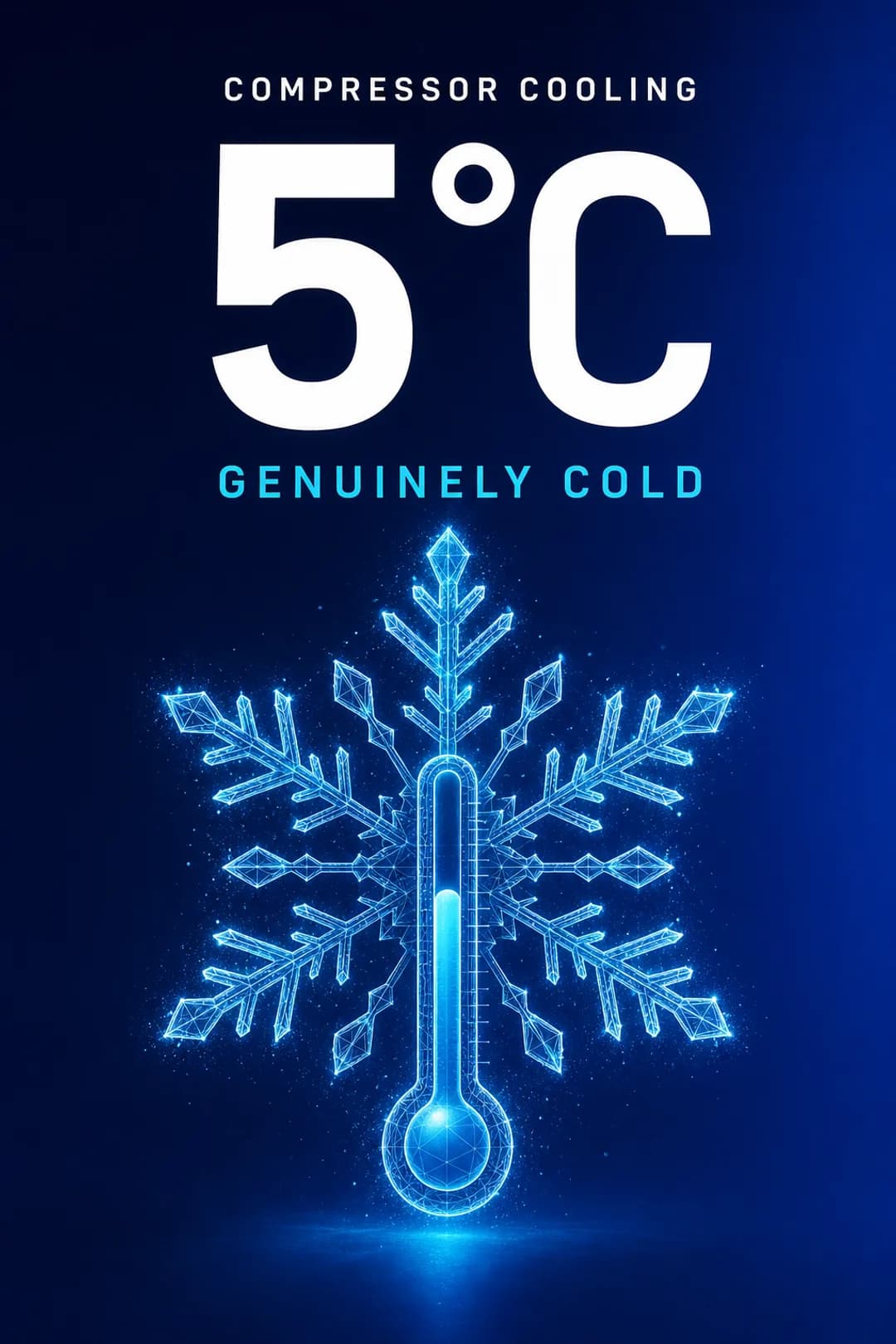
The CR-ZX5170 is not only an ice maker. The same filtered water can be dispensed chilled (at 5°C via the compressor, not just refrigerated at 10°C), at ambient temperature, or hot across a range of 38 to 98°C — suitable for kopi, teh, baby formula preparation at the appropriate temperature, or cup noodles. The ice-making and the hot-water functions draw from the same filtered reservoir.
The compressor cooling is the relevant specification here: electric cooling in comparable units typically reaches only 10°C, which is cool but not what most people would describe as genuinely cold in tropical conditions. Compressor-cooled water at 5°C is a perceptible difference in a 30°C room.
For households that primarily want hot and cold water without the ice function, the CR-Z7170 is the alternative — it reaches 10°C with electric cooling and carries a 6.8-litre internal tank, but does not make ice. The right choice between the two depends on whether ice specifically is a daily requirement.
The filter maintenance point
A purifier that produces ice from filtered water only maintains the filtration guarantee while the filter is in service. The CR-ZX5170 uses a 2-cartridge PCB/RO configuration with a rated total capacity of 4,000 litres across the filter set. Replacing the cartridges on schedule is the non-negotiable part of the system working as intended. In Jakarta's climate, where ambient temperatures accelerate bacterial growth in stagnant water, an overdue filter is not a minor issue — it is the mechanism by which a purifier stops providing meaningful protection.
The same principle applies to any ice tray, jug, or container in the machine: regular cleaning of the ice basket and water pathway is part of normal maintenance.
A practical reassessment of the freezer tray
Most Jakarta households running a water purifier for drinking have not applied the same logic to ice. It is worth asking: if the tap water is not safe to drink without filtering, what is different about freezing it?
The answer, as described above, is nothing protective. The freezing step does not address the microbiological problem; it only delays it until the ice melts. A household that filters its drinking water and then fills the ice tray from the unfiltered tap has covered nine-tenths of its water exposure and left one-tenth open.
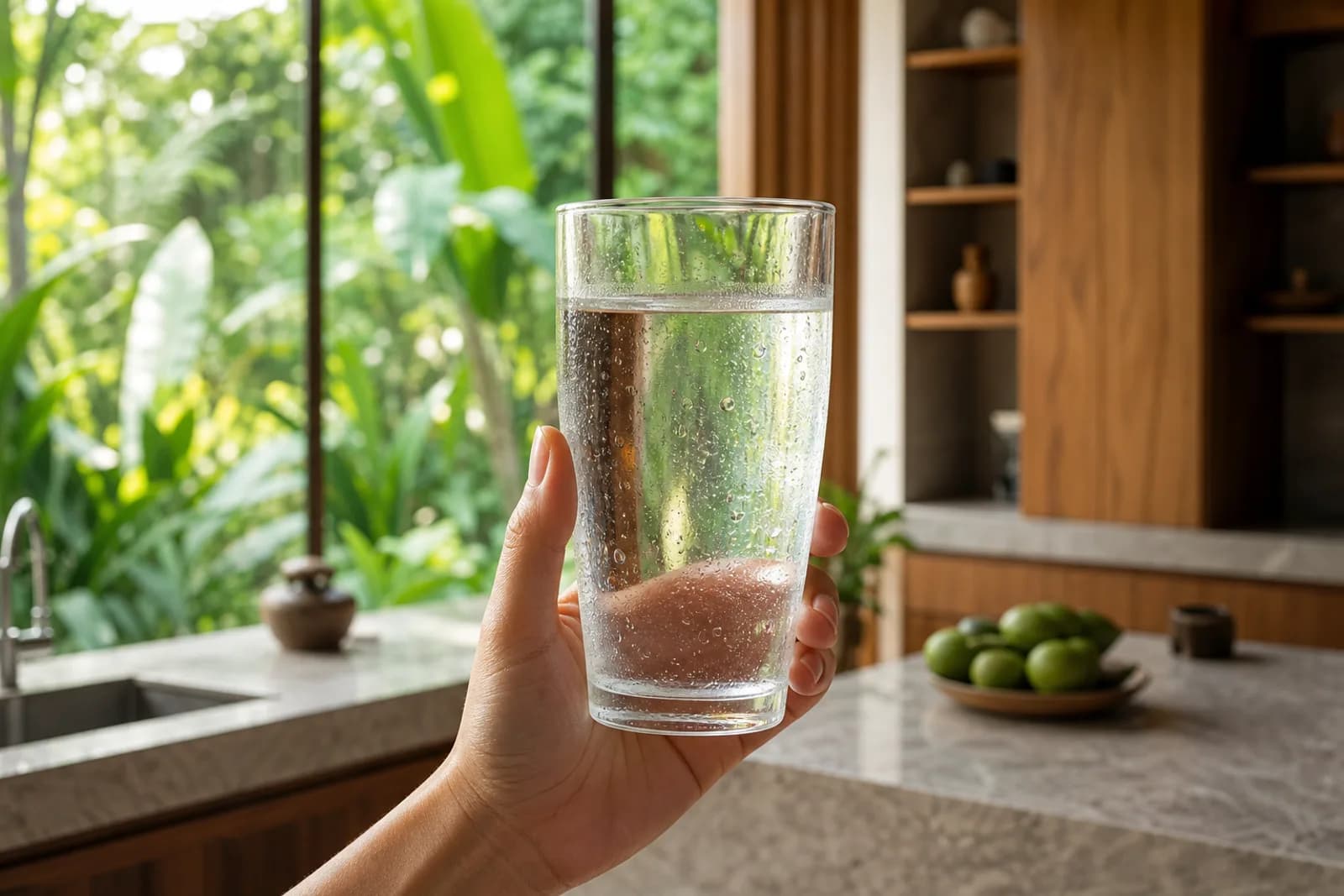
That gap is not hard to close. Boiling water before filling the tray and letting it cool is one approach — inconvenient and easy to skip under time pressure. Using a machine that filters the water before making the ice is the other. The CR-ZX5170 does both functions in the same appliance, with ice available in 7 minutes, sitting on the counter with no installation beyond a power socket.
For Jakarta households where ice is a daily part of how the family drinks — cold water, es teh, fruit juice with ice — purified ice is not a premium upgrade. It is the same filtration logic that already applies to the water in the glass, applied consistently to the ice that goes into it.
Not sure which system fits your water?
Aright Marketing Indonesia can assess your supply and recommend the right Truliva system for your home or business in Indonesia.