When to Replace Your Water Filter Cartridges
Cartridges hold a finite capacity in litres. Here are typical service intervals by stage, the signs you are overdue, and why tropical heat shortens filter life.

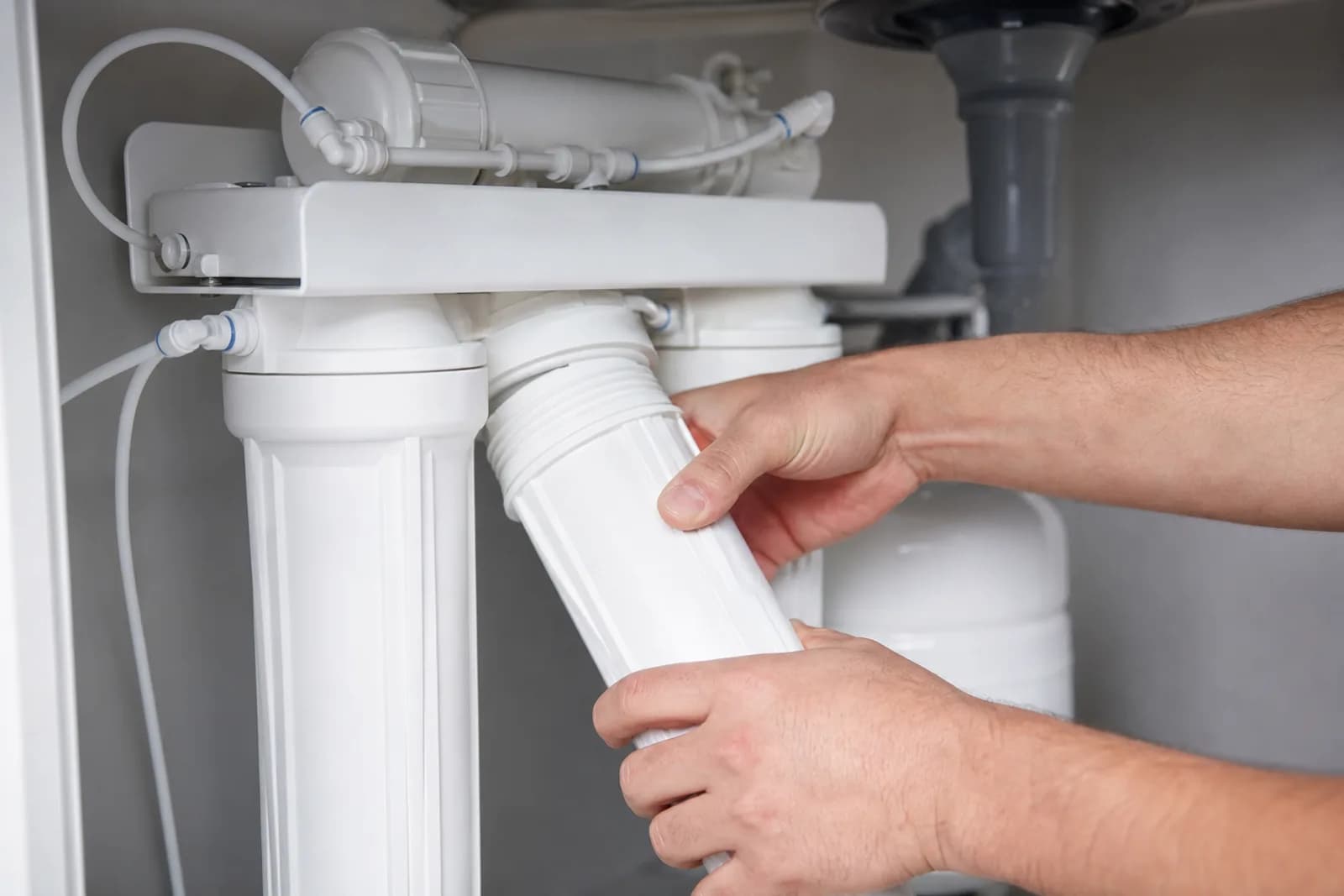
A water filter cartridge has a finite working life, measured in litres, not years. Once it has cleaned its rated volume, it stops protecting you and can start working against you. Replacing cartridges on schedule is the single most important thing you do to keep a purifier safe — more important than the brand of machine you bought.
Why cartridges expire
A cartridge is not a permanent wall. It fills up and breaks down.
- Capacity runs out. A carbon block can only adsorb so much chlorine and organic matter before its surface is saturated. After that, contaminants pass through largely untouched, even though water still flows.
- Channelling. As sediment builds, water carves easy paths through the media and stops contacting most of it. The cartridge looks like it is working — water comes out — but its real effectiveness has collapsed.
- Bacterial regrowth. A warm, wet, organic-rich filter is a comfortable place for bacteria. A neglected carbon stage can shed more bacteria into your water than fresh tap water carries. Past its life, a filter can become the contamination.
This is why "it still flows, so it must be fine" is the wrong test. Flow is the last thing to fail, not the first.
Typical service intervals by stage
A multi-stage RO system uses several cartridges, each with its own lifespan. Truliva systems run a 7-layer sequence, and the stages wear at different rates. The figures below are typical ranges, not guarantees — your real intervals depend on water quality and how much you use.
- Sediment / PP (folding PP, PP stages). The first line of defence, taking the heaviest load of particles. Commonly replaced every 6 to 12 months.
- Carbon / CTO (front activated carbon). Removes chlorine, taste, and odour, and protects the RO membrane downstream. Commonly 6 to 12 months.
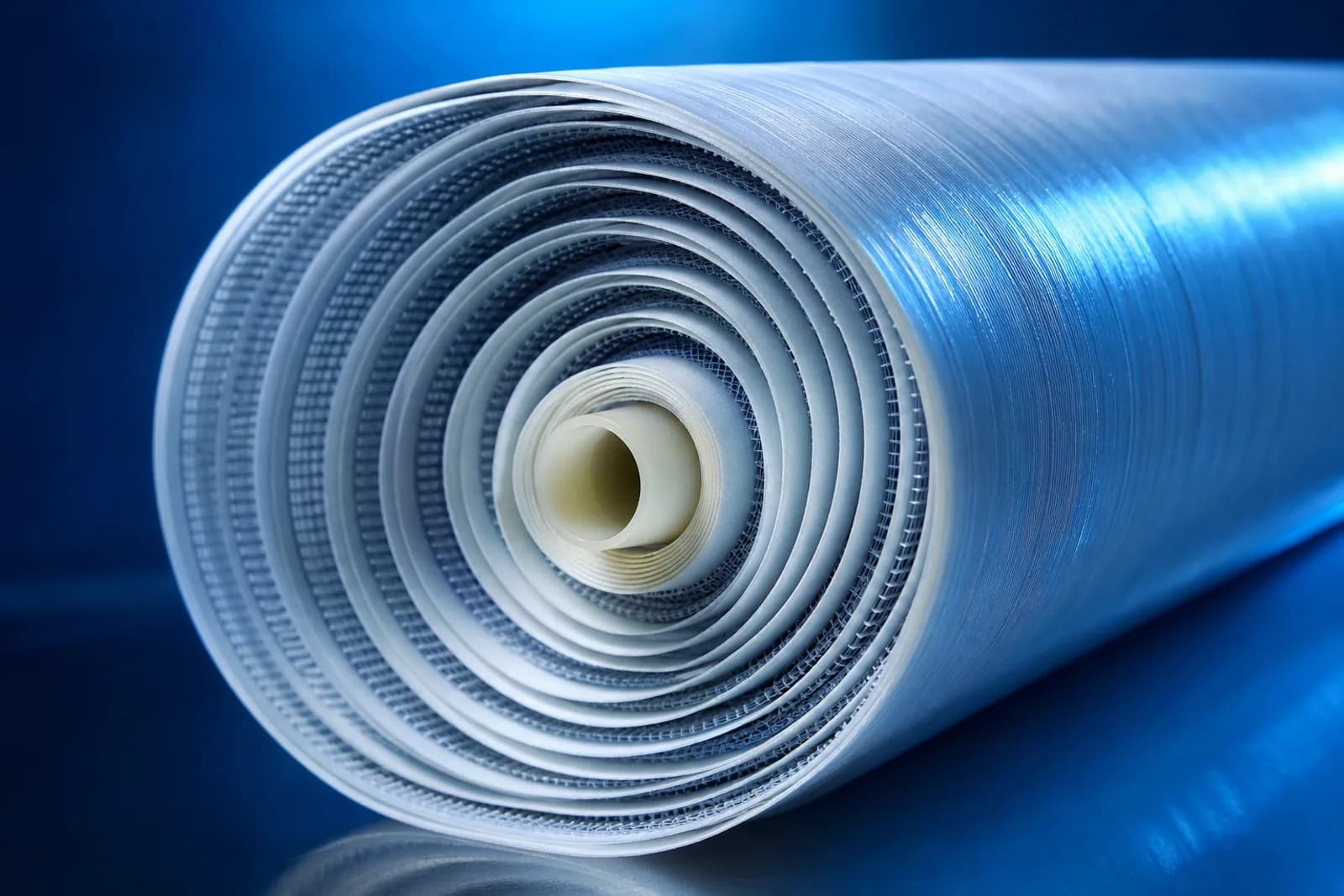
- RO membrane. The core barrier, protected by the stages before it, so it lasts longest. Commonly 2 to 3 years on standard systems. Truliva premium models use 8-year long-life RO membranes, which stretches this interval considerably when the pre-filters are kept fresh.
- Post carbon (final polish). A taste-finishing stage after the membrane. Commonly 12 months.
- UV lamp. Where fitted, the lamp output fades before it stops glowing; typically replaced about every 12 months.
Truliva cartridges are rated for roughly 4,000 to 9,000 litres of throughput. If you know your daily use, that number tells you more than the calendar does — a heavy-use kitchen reaches the litre limit long before a light one.
Signs you are overdue
The system tells you when you have waited too long. Watch for these.
- Taste and smell return. Chlorine taste, a metallic note, or any odour coming back means the carbon is spent.
- Slower flow. A clogged sediment or carbon stage drops the flow rate noticeably. If your once-steady stream has become a trickle, a cartridge is choked.
- Rising TDS after the membrane. On an RO system, check the output with a TDS meter now and then. A reading that climbs over time is a clear sign the membrane is ageing or fouled and the reject is degrading.
- Visible discolouration in a clear housing, or sediment in your glass after an outage.
Any one of these means inspect now rather than at the next scheduled date.
Why the tropics shorten filter life
Quoted intervals assume average conditions. Indonesia is not average, and several local factors push real life toward the shorter end of every range.
- Heat speeds bacterial growth. Warm ambient temperatures make a damp filter a faster-growing environment for microbes, so a stage that might last a year in a cool climate is best changed sooner here.
- Higher sediment loads. Groundwater and post-outage piped water often carry more silt, rust, and turbidity, which clogs sediment and carbon stages faster.
- Saltwater intrusion and high TDS. Coastal and hard groundwater push the RO membrane harder, ageing it faster than the headline figure suggests.
- Heavy household use. Large families and homes that cook and refill often hit the litre capacity well ahead of the calendar.
The practical rule: take the quoted range, and in a hot, high-use Indonesian kitchen, plan for the shorter end of it.
A practical schedule
If you want a simple default to start from and then adjust by experience:
- Every 6–12 months: sediment / PP and carbon / CTO stages.
- Every 12 months: post carbon, and UV lamp where fitted.
- Every 2–3 years (or longer on 8-year membranes): the RO membrane, provided the pre-filters were changed on time.
- Whenever a sign appears: taste, slow flow, or rising TDS overrides the calendar.
Keep a note of each change date, and a TDS reading at the time, so you can see drift early. Cartridges are the cheapest part of clean water and the easiest to forget. Replace them on time and the rest of the system simply keeps working — neglect them and even the best machine quietly turns into the problem it was meant to solve.
Not sure which system fits your water?
Aright Marketing Indonesia can assess your supply and recommend the right Truliva system for your home or business in Indonesia.